
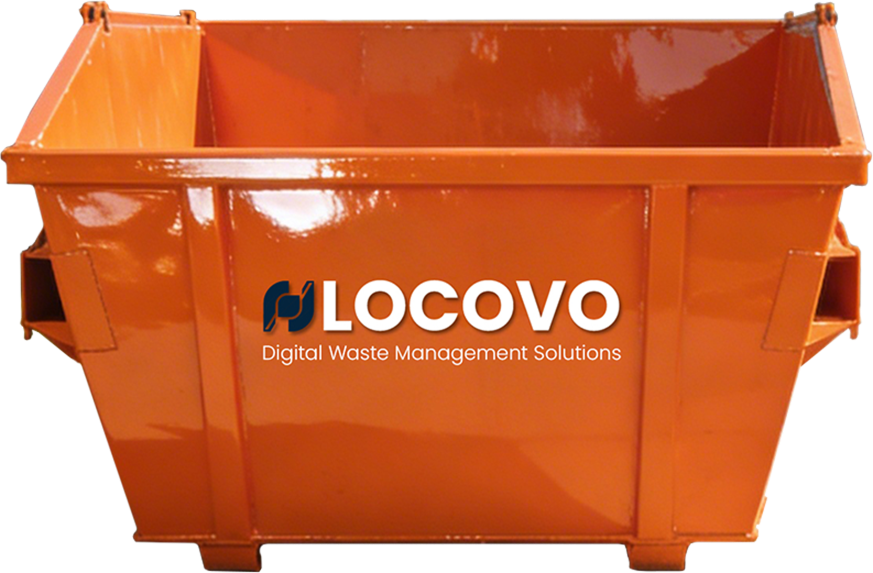
The skip is collected once the hire period ends or when the customer requests collection.
Waste is taken for sorting, where different materials can be separated.
Recyclable materials are recovered where facilities and waste types allow.
Materials that can be reused or recycled are diverted where possible. Remaining waste is disposed of responsibly
Good waste management helps reduce unnecessary landfill. Sorting waste properly can recover useful materials and reduce the environmental impact of clearances, refurbishments, and construction work.
Even small jobs can produce waste that should be handled carefully.
Not all waste can be recycled, but suitable materials are separated where possible.
Yes, green waste can often be recycled depending on local facilities.
Electrical items often need separate handling and should be checked before booking.
Soil, rubble, bricks, and hardcore can often be recovered or reused when kept separate from mixed waste.